
When you discover that your child has head lice, the instinct to reach for a natural remedy is completely understandable. Many parents across the Greater Washington DC area — from Silver Spring to Bethesda and Rockville — want to avoid harsh chemicals and opt for gentler alternatives. The internet is filled with advice about essential oils, mayonnaise, vinegar, and dozens of other home treatments that promise to eliminate lice naturally. But which of these methods actually work, and which ones leave your child still scratching a week later? Learn more about our professional treatment process and how we eliminate lice in a single visit.
Understanding the difference between evidence-based natural treatments and unproven folklore is essential for protecting your child’s health and your family’s time. According to the CDC, head lice infestations affect 6 to 12 million children annually in the United States, and the AAP notes that ineffective treatment attempts are one of the leading reasons infestations persist and spread within families and school communities. If you’re ready to take action, book your appointment at Lice Lifters of Greater Washington today.
What Does “Natural Lice Treatment” Actually Mean?
The term “natural lice treatment” covers an enormous range of approaches, from clinically tested plant-based formulations to folk remedies passed down through generations. Not all natural treatments are created equal, and understanding the categories can help you make an informed decision for your family. Browse our lice prevention products for at-home protection.
The CDC classifies lice treatments into two broad categories: pharmaceutical (prescription and over-the-counter) and non-pharmaceutical (manual removal, suffocation methods, and plant-based products). Within the natural spectrum, treatments generally fall into three groups:
- Clinically tested natural formulations — Products with documented efficacy data, such as dimethicone-based solutions or specific essential oil blends that have been studied in controlled trials.
- Suffocation methods — Home remedies that attempt to smother lice by coating the hair with thick substances like olive oil, coconut oil, or petroleum jelly.
- Essential oil remedies — Individual oils like tea tree, lavender, neem, or eucalyptus applied to the scalp, often mixed with a carrier oil.
- Household product remedies — Approaches using vinegar, mayonnaise, butter, rubbing alcohol, or mouthwash to kill or loosen lice and nits.
Why Parents Are Turning to Natural Options
There are legitimate reasons to explore natural lice treatment. Additionally, the widespread resistance of modern lice to traditional OTC products means many families have already tried chemical treatments that failed, and they are looking for alternatives that actually work.
Which Natural Lice Remedies Have Scientific Support?
While the research on natural lice treatments is less extensive than on pharmaceutical options, several natural approaches do have meaningful scientific support. If you are committed to a natural path, these are the methods most likely to succeed.
The CDC lists physical removal with a fine-toothed comb as an effective method when performed thoroughly and repeatedly.
- Wet combing (Bug Busting method) — Systematic combing with a fine-toothed nit comb on wet, conditioned hair every 3 to 4 days for at least 2 weeks.
- Dimethicone-based products — These coat lice and block their breathing spiracles. Multiple clinical trials support their effectiveness, with some showing results comparable to or better than permethrin.
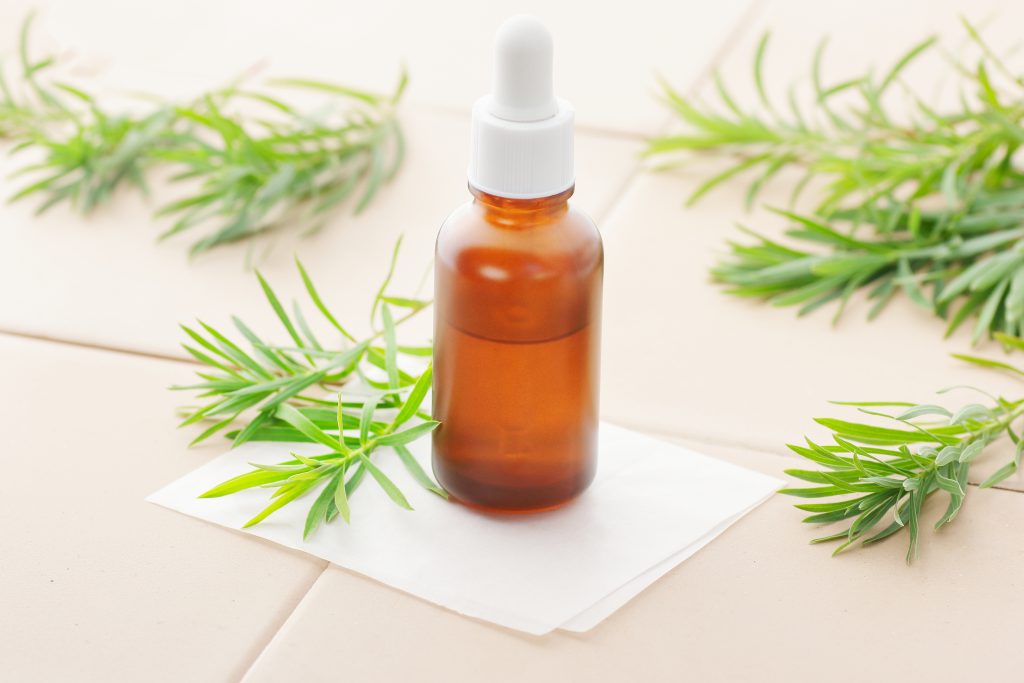
- Tea tree oil (Melaleuca alternifolia) — Laboratory studies show tea tree oil has pediculicidal and ovicidal activity. However, real-world results on the scalp are more variable.
The Power of Professional Natural Treatment
At Lice Lifters of Greater Washington, we use an all-natural, non-toxic treatment protocol that combines the most effective elements of natural lice removal: a proprietary mousse that dehydrates lice, meticulous hand-combing by trained technicians, and a thorough nit-removal process. This approach consistently achieves one-visit resolution without pesticides, harsh chemicals, or repeated treatments. It is the kind of comprehensive natural treatment that no home remedy can replicate.
Which Popular Natural Remedies Are Ineffective or Risky?
For every natural remedy that has scientific backing, there are several that do not — and some that carry real risks. The CDC explicitly warns against certain commonly suggested home remedies, and the AAP urges parents to be cautious about unverified treatments that delay effective care.
- Mayonnaise and petroleum jelly — While the theory of suffocating lice sounds logical, the CDC notes there is no reliable data proving that suffocation methods are consistently effective. Lice can survive for hours in a low-oxygen environment, and these substances are extremely difficult to wash out of hair.
- Vinegar — Commonly recommended to dissolve the glue that holds nits to hair shafts, vinegar is not proven to have an effect on nit removal or lice survival. It may cause scalp irritation.
- Rubbing alcohol or mouthwash — These can cause significant scalp irritation, chemical burns, and are particularly dangerous near the eyes. Neither has demonstrated consistent pediculicidal activity in controlled studies.
- Gasoline, kerosene, or lighter fluid — The CDC specifically warns that flammable substances must never be used to treat lice. These create a serious fire and chemical burn risk and have caused documented injuries to children.
- Hair dryers (uncontrolled) — A standard hair dryer used at home can scatter lice and is not hot enough to kill nits consistently. The AAP does not recommend conventional hair dryers as a lice treatment.
The Hidden Cost of Ineffective Remedies
Every day spent trying an unproven remedy is another day lice are reproducing on your child’s head. A female louse lays 6 to 10 eggs per day, meaning a one-week delay in effective treatment can result in 40 to 70 new nits — each of which will hatch and continue the cycle. For families in the Greater Washington area juggling work, school, and activities, the time and stress of repeated failed treatments adds up quickly. Visit our products page to explore clinician-recommended prevention products that complement professional treatment.
How Does Lice Lifters Use All-Natural Methods to Treat Lice?
At Lice Lifters of Greater Washington, we believe that effective lice treatment should not require toxic chemicals. Our treatment protocol is built on natural methods delivered by trained professionals — combining the safety parents want with the results they need.
The AAP recommends that families who have experienced treatment failure with OTC products consult a professional, and the CDC notes that professional lice treatment services are an increasingly important option as resistance continues to grow across the country.
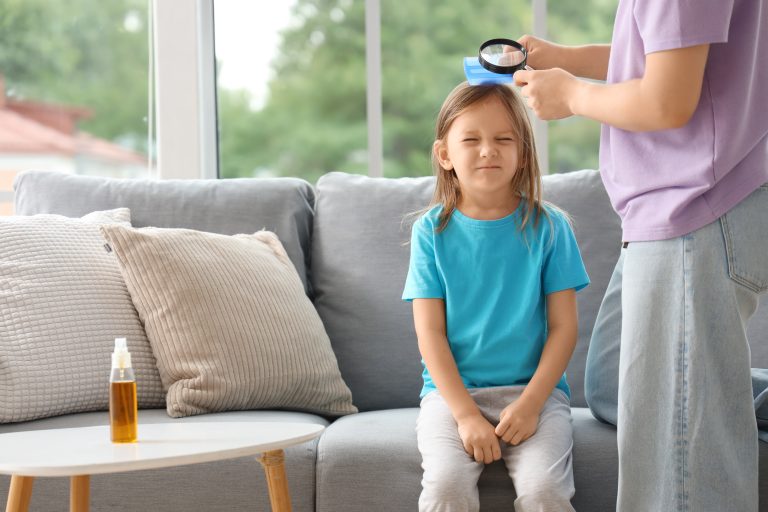
- Head-to-head screening — We start every visit with a thorough scalp examination under magnification to confirm the diagnosis and assess severity.
- All-natural killing mousse — Our proprietary mousse uses a non-toxic formula to dehydrate and eliminate live lice on contact, without pesticides or harsh chemicals.
- Meticulous hand-combing — Trained technicians comb through every section of hair to remove all nits, using professional-grade tools and techniques that no at-home kit can match.
- One-visit resolution — Our protocol is designed to resolve the infestation in a single visit, saving your family from the cycle of repeated treatments and rechecks.
- Prevention education — Before you leave, we provide personalized guidance on preventing reinfestation, including product recommendations and head-check techniques.
Frequently Asked Questions About Natural Lice Treatment
Is tea tree oil safe to use on children for lice?
Tea tree oil can be used in diluted concentrations, but it should never be applied undiluted to a child’s scalp. Some children may experience allergic reactions. The AAP recommends patch-testing any essential oil before widespread application. Professional formulations with controlled concentrations are safer than DIY mixtures.
Does coconut oil actually kill lice?
Coconut oil can slow lice down and make combing easier, but it does not reliably kill all lice or nits on its own. Used alone, it is not a reliable standalone treatment.
How long do I need to wet-comb to get rid of lice naturally?
Effective wet combing requires sessions every 3 to 4 days for a minimum of 2 full weeks — that is at least 4 to 5 thorough sessions. Each session can take 30 minutes to over an hour depending on hair length and thickness. Missing even one session can allow the cycle to restart.
Are professional lice treatments really chemical-free?
At Lice Lifters, yes. Our treatment uses an all-natural mousse that contains no permethrin, pyrethrin, or other pesticides. The active mechanism works by physically dehydrating lice rather than poisoning them. It is safe for children and individuals with sensitivities.
Can essential oils prevent lice from coming back?
Some essential oils, particularly tea tree and peppermint, have shown mild repellent properties in laboratory studies. While they are not guaranteed to prevent reinfestation, using a prevention spray with these ingredients can be a helpful part of a broader prevention strategy alongside regular head checks.
What should I do if home remedies have not worked after a week?
If your home treatment has not resolved the infestation within a week, it is time for professional help. Every additional day allows lice to reproduce and spread. Contact Lice Lifters of Greater Washington for same-day professional treatment that ends the problem in a single visit.
Get Effective Natural Treatment Today
You do not have to choose between natural and effective. At Lice Lifters of Greater Washington, located at 8115 Fenton St, Silver Spring, MD, we deliver proven, all-natural lice treatment that resolves the infestation in one visit. No pesticides, no repeated applications, no guesswork — just results.
Book your appointment today and let our trained technicians take care of your family. We serve families throughout Silver Spring, Rockville, Bethesda, Takoma Park, Wheaton, and the entire Greater Washington DC metro area.